

क्या लोकसभा चुनाव के नतीजों के बाद पेट्रोल-डीजल की कीमतों में वृद्धि होगी?
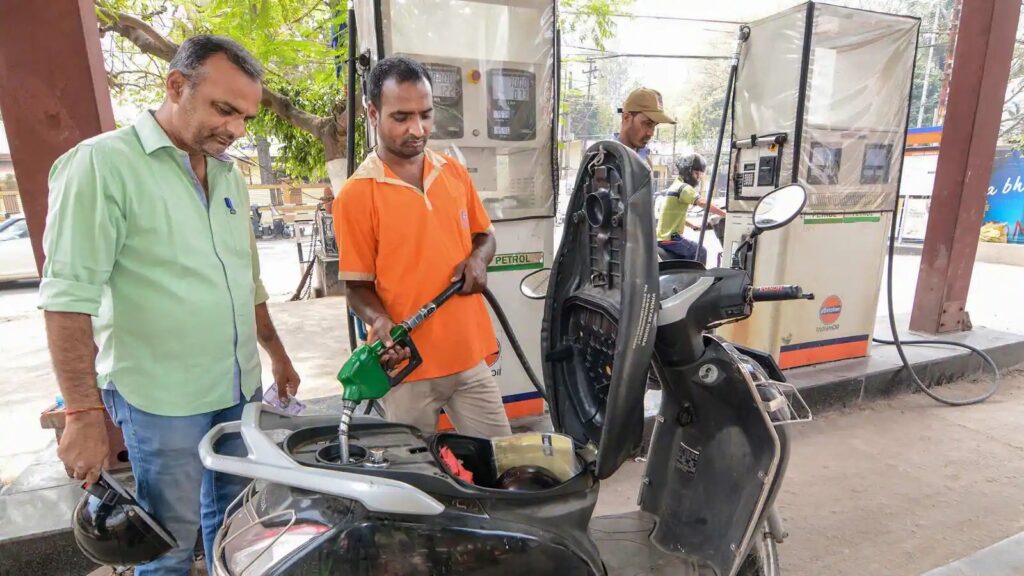
देश में पंप मालिकों को 15 मार्च को पेट्रोल और डीजल की कीमतों में कटौती के बाद से दबाव का सामना करना पड़ रहा है, क्योंकि उन्हें पुराने स्टॉक को नई और कम कीमतों पर बेचना पड़ रहा है।
Petrol-Diesel: Election 2024 के परिणामों की घोषणा के बाद पेट्रोल और डीजल की कीमतों में बढ़ोतरी हो सकती है! मार्च में कच्चे तेल की कीमतों में कटौती के फैसले के बाद पेट्रोल-डीजल दोनों की कीमतों में ₹2 प्रति लीटर की कमी की गई थी. यह फैसला ऑयल मार्केटिंग कंपनियों द्वारा लिया गया था और पेट्रोलियम मंत्रालय द्वारा घोषित किया गया था.
हाल में की गई कटौती के बाद संशोधित पेट्रोल और डीजल कीमतें 15 मार्च से लागू हुई थीं. इस कदम को भाजपा नेताओं ने देश की जनता के लिए प्रधानमंत्री नरेंद्र मोदी द्वारा किए गए कल्याणकारी कदम के रूप में सराहा था. हालांकि, आलोचकों का कहना था कि यह चुनाव के मौसम में मतदाताओं को लुभाने का एक प्रयास था. मंगलवार को चुनाव परिणाम घोषित होने के साथ, कीमतों में वापस की गई कटौती को वापस लिया जा सकता है.
अगर पेट्रोल और डीजल दोनों की कीमतें वास्तव में फिर से बढ़ती हैं, तो यह बिल्कुल तुरंत नहीं हो सकता है. लेकिन इस बात के मजबूत संकेत हैं कि ऐसा हो ही सकता है.

पश्चिम एशिया क्षेत्र में लगातार तनाव और OPEC+ देशों (पेट्रोलियम निर्यातक देशों के संगठन) द्वारा स्वैच्छिक उत्पादन कटौती के विस्तार जैसे कारकों के कारण वैश्विक कच्चे तेल की कीमतें हाल ही में चार साल के उच्चतम स्तर पर पहुंच गई हैं. रॉयटर्स के अनुसार, OPEC+ ने रविवार की बैठक में 2025 तक गहरे तेल उत्पादन कटौती को बढ़ाने का फैसला किया. यह माना जाता है कि यह वैश्विक बाजार में तेल की कीमतों को मजबूत करने के लिए किया गया एक कदम है.
देश के भीतर, पंप मालिकों को 15 मार्च को पेट्रोल और डीजल की कीमत में कटौती के बाद से दबाव का सामना करना पड़ा है, दोनों ईंधनों के पुराने स्टॉक को नई और कम कीमतों पर बेचना पड़ रहा है. कीमतों में अपवार्ड रिवीजन (संशोधन) उनकी चिंताओं को दूर कर सकता है और एक बार फिर देश कीऑयल मार्केटिंग कंपनियों की मदद कर सकता है.
भारत में ईंधन की कीमतें वैश्विक दरों के अलावा कई अन्य कारकों से भी प्रभावित होती हैं. केंद्र और राज्य सरकारों दोनों द्वारा दोनों ईंधनों पर कई टैक्स और सेस लगाए जाते हैं. देश में लगभग हर सरकार ईंधन को राजस्व सृजन के प्रमुख स्रोतों में से एक मानती है
Pump owners in the country are facing pressure after the price cut of petrol and diesel on March 15, as they have to sell the old stock at new and lower prices.
Petrol-Diesel: Petrol and diesel prices may increase after the announcement of Lok Sabha Election 2024 results! After the decision to reduce the prices of crude oil in March, the prices of both petrol and diesel were reduced by ₹ 2 per liter. This decision was taken by the oil marketing companies and was announced by the Petroleum Ministry.
After the recent cuts, the revised petrol and diesel prices came into effect from March 15. This step was praised by BJP leaders as a welfare step taken by Prime Minister Narendra Modi for the people of the country. However, critics said it was an attempt to woo voters during the election season. With the election results being declared on Tuesday, the price cuts may be reversed.
If prices of both petrol and diesel indeed rise again, it may not happen immediately. But there are strong indications that this can definitely happen.

Global crude oil prices recently reached a four-year high due to factors such as persistent tensions in the West Asia region and extension of voluntary production cuts by OPEC countries (Organization of the Petroleum Exporting Countries). According to Reuters, OPEC decided at Sunday’s meeting to extend deep oil production cuts until 2025. It is believed that this is a step taken to strengthen oil prices in the global market.
Within the country, pump owners have faced pressure since the price cut of petrol and diesel on March 15, having to sell old stocks of both the fuels at new and lower prices. An upward revision in prices can address their concerns and once again help the country’s oil marketing companies.
Apart from global rates, fuel prices in India are also influenced by many other factors. Several taxes and cesses are imposed on both fuels by both the central and state governments. Almost every government in the country considers fuel as one of the major sources of revenue generation.