
राजनीतिक पार्टियों के पास कहां से आता है चंदा, सबकुछ जानेगी जनता…
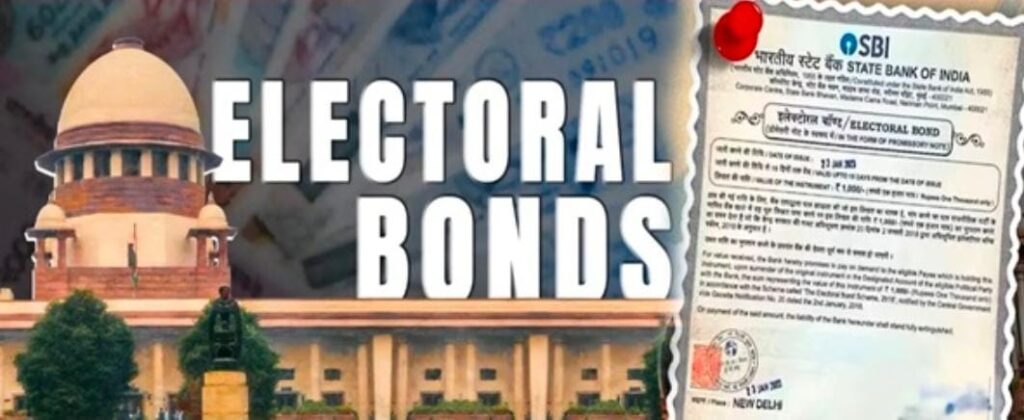
लोकसभा चुनाव के ऐलान से पहले सुप्रीम कोर्ट ने बड़ा फैसला सुनाया है। SC ने इलेक्टोरल बॉन्ड्स को अवैध करार देते हुए उसपर रोक लगा दी है। कोर्ट ने कहा है कि इलेक्टोरल बॉन्ड सूचना के अधिकार का उल्लंघन है। वोटर्स को पार्टियों की फंडिंग के बारे में जानने का हक है। कोर्ट ने आदेश दिए हैं कि बॉन्ड खरीदने वालों की लिस्ट सार्वजनिक की जाए। फैसला सुनाते हुए CJI ने कहा कि राजनीतिक पार्टियों की फंडिंग की जानकारी उजागर न करना मकसद के विपरीत है। SBI को 12 अप्रैल 2019 से लेकर अब तक की जानकारी सार्वजानिक करनी होगी। SBI को यह जानकारी चुनाव आयोग को देनी होगी। इलेक्शन कमिशन इस जानकारी को साझा करेगा। जानकारी उपलब्ध कराने के वास्ते SBI को तीन हफ्ते का समय दिया गया है।

क्या होते हैं इलेक्टोरल बॉन्ड
इलेक्टोरल बॉन्ड की शुरुआत साल 2018 में हुई। इसे लागू करने के पीछे मकसद था कि इससे राजनीतिक फंडिंग में पारदर्शिता बढ़ेगी और साफ-सुथरा धन आएगा। इसमें व्यक्ति, कॉरपोरेट और संस्थाएं बॉन्ड खरीदकर राजनीतिक दलों को चंदे के तौर पर देती थीं। राजनीतिक दल इस बॉन्ड को बैंक में भुनाकर रकम हासिल करते थे। भारतीय स्टेट बैंक की 29 शाखाओं को इलेक्टोरल बॉन्ड जारी करने और उसे भुनाने के लिए अधिकृत किया गया था। ये शाखाएं नई दिल्ली, मुंबई, कोलकाता, चेन्नई, गांधीनगर, चंडीगढ़, पटना, रांची, गुवाहाटी, भोपाल, जयपुर और बेंगलुरु की थीं।

क्या थी इलेक्टोरल बॉन्ड की खूबी
कोई भी डोनर अपनी पहचान छुपाते हुए स्टेट बैंक ऑफ इंडिया से एक करोड़ रुपए तक मूल्य के इलेक्टोरल बॉन्ड्स खरीद कर अपनी पसंद के राजनीतिक दल को चंदे के रूप में दे सकता था। ये व्यवस्था दानकर्ताओं की पहचान नहीं खोलती और इसे टैक्स से भी छूट मिलता है। आम चुनाव में कम से कम 1 फीसदी वोट हासिल करने वाले राजनीतिक दल को ही इस बॉन्ड से चंदा हासिल हो सकता था।

कैसे काम करते हैं ये बॉन्ड
एक व्यक्ति, लोगों का समूह या एक कॉर्पोरेट बॉन्ड जारी करने वाले महीने के 10 दिनों के भीतर एसबीआई की निर्धारित शाखाओं से चुनावी बॉन्ड खरीद सकती थी। जारी होने की तिथि से 15 दिनों की वैधता वाले बॉन्ड 1000 रुपए, 10000 रुपए, एक लाख रुपए, 10 लाख रुपए और 1 करोड़ रुपए के गुणकों में जारी किए जाते थे। ये बॉन्ड नकद में नहीं खरीदे जा सकते और खरीदार को बैंक में केवाईसी (अपने ग्राहक को जानो) फॉर्म जमा करना होता था।

Where do political parties get donations from, public will know everything…
Before the announcement of Lok Sabha elections, the Supreme Court has given a big decision. SC has declared electoral bonds illegal and banned them. The court has said that electoral bonds are a violation of the right to information. Voters have the right to know about the funding of parties. The court has ordered that the list of bond buyers be made public. While giving the verdict, CJI said that not disclosing information about funding of political parties is contrary to the purpose. SBI will have to make public the information from April 12, 2019 till now. SBI will have to give this information to the Election Commission. The Election Commission will share this information. SBI has been given three weeks time to provide the information.

What are electoral bonds?
Electoral bonds were launched in the year 2018. The objective behind implementing this was that it would increase transparency in political funding and bring in clean money. In this, individuals, corporates and institutions used to buy bonds and give them as donations to political parties. Political parties used to get money by encashing these bonds in the bank. 29 branches of State Bank of India were authorized to issue and encash electoral bonds. These branches were in New Delhi, Mumbai, Kolkata, Chennai, Gandhinagar, Chandigarh, Patna, Ranchi, Guwahati, Bhopal, Jaipur and Bengaluru.

What was the merit of electoral bond?
Any donor, while hiding his identity, could purchase electoral bonds worth up to Rs 1 crore from State Bank of India and donate them to the political party of his choice. This system does not reveal the identity of the donors and is also exempt from tax. Only a political party that gets at least 1 percent votes in the general elections could receive donations from this bond.

How do these bonds work?
An individual, group of people or a corporate could purchase electoral bonds from designated branches of SBI within 10 days of the month of bond issue. The bonds were issued in multiples of Rs 1000, Rs 10000, Rs 1 lakh, Rs 10 lakh and Rs 1 crore, with a validity of 15 days from the date of issue. These bonds could not be purchased in cash and the buyer had to submit a KYC (Know Your Customer) form to the bank.