
‘राढ़’ यानी अबुआ, झारखंड, विश्व का सबसे प्राचीनतम क्षेत्र है।
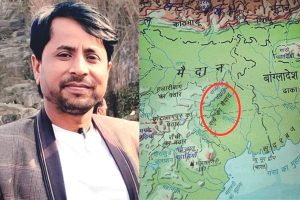
राध भूमि, झारखंड का एक महत्वपूर्ण क्षेत्र है, जहां राधी सभ्यता-संस्कृति का एक प्रमुख इतिहास है।
राढ़ क्षेत्र विश्व के अति प्राचीनतम क्षेत्रों में एक है. ‘राढ़’ शब्द को लेकर सामान्य जनमानस में कई तरह की भ्रांतियां हैं. जबकि, इसका अर्थ बहुत स्पष्ट है. प्राचीन आष्ट्रिक भाषा में ‘राढ़’ या ‘राढ़ी’ शब्द का अर्थ है- रक्त मृत्तिका का देश. लाल मिट्टी का देश. पश्चिमी राढ़ क्षेत्र में बहने वाली राढ़ नदी भी राढ़ शब्द के औचित्य को दर्शाती है. इस सभ्यता सिद्धांत का प्रतिपादन वर्ष 1981 में हुआ है. महान दार्शनिक व मैक्रो हिस्टोरियन प्रभात रंजन सरकार इसके प्रतिपादक हैं. यह मानव सभ्यता के विकास से संबंधित नवीनतम सिद्धांत है.

बताया गया है कि ‘राढ़’ अथवा ‘राढ़ी’ प्राचीन और मध्य काल में (विशेषकर सेनवंशीय नरेशों के शासन काल में) बंगाल के चार प्रांतों में से एक था. ये प्रांत थे- ‘वरेंद्र’, ‘बागरा’, ‘बंग’ और ‘राढ़’. वरेंद्र उत्तर बंगाल का प्राचीन व मध्य युगीन नाम था. वंग या ‘बंग’ बंगाल का प्राचीन नाम है. राढ़ क्षेत्र को दो भागों में बांटा गया- पूर्वी राढ़ और पश्चिमी राढ़.
पूर्वी राढ़ के अंतर्गत पश्चिमी मुर्शिदाबाद, बीरभूम जिले का उत्तरी भाग, पूर्वी बर्धमान, हुगली, हावड़ा क्षेत्र, पूर्वी मेदिनीपुर तथा बांकुड़ा जनपद का इंदास थाना क्षेत्र आते हैं. पश्चिमी राढ़ में संथाल परगना, बीरभूम के अन्य क्षेत्र, बर्धमान का पश्चिमी भाग, बांकुड़ा (इंदास थाना क्षेत्र को छोड़कर), पुरुलिया, धनबाद, बोकारो व हजारीबाग के कुछ इलाके, रांची के कुछ इलाके, सिंहभूम तथा मेदिनीपुर के कुछ क्षेत्र सम्मिलित हैं. मोटे तौर पर कहें तो झूमर और भगता (चड़क, गाजान) परब जहां तक मूल रूप से प्रचलित है, वह राढ़ क्षेत्र है.
झारखंड का एक बड़ा भूभाग भी उसी राढ़ भूमि का एक हिस्सा है और यहां के मूल में भी राढ़ी सभ्यता-संस्कृति का इतिहास रहा है. प्रभात रंजन सरकार ने भी ‘सभ्यता का आदि बिंदु राढ़’ समेत अपनी अन्य कृतियों में इस क्षेत्र के राढ़ भूमि होने का वर्णन किया है. उनकी पुस्तकों में इस बात का उल्लेख मिलता है कि लाखों वर्षों बाद सम्राट समुद्रगुप्त के समय में राढ़ मगध के अधीन हो गया.
सप्तम शताब्दी में गौड़ीय के राजा शशांक ने राढ़ के विस्तीर्ण भू-भाग को जीत कर अपने विशाल साम्राज्य में मिला लिया. अनुमान है कि सम्राट शशांक की मृत्यु के पश्चात् बंगाल में अन्य कोई बड़ा राजा नहीं जन्मा. अंततः पश्चिम राढ़ कुछ क्षमता लोभी स्थानीय भूस्वामियों के हाथों में चला गया.
मुगलों के जमाने में समग्र राढ़ कई स्वशासित जनपदों में विभक्त हो गया. उनमें वीरभूम, गोपभूम, सामंतभूम, शेखरभूम, मल्लभूम, सोनभूम, सिंहभूम, धवलभूम, भज्जभूम, सप्तमी परगना, भूरिश्रेष्ठ या भूरशूट परगना, बराहभूम तथा पंचकोट या पांचेट या मानभूम का नाम शामिल है. वीरभूम राज्य पूर्व में सौंताल परगना जनपद के पाकुड़ और राजमहल महकमा, वर्तमान वीरभूम जनपद के रामपुर हाट महकमा, मुर्शिदाबाद जनपद के कांदी महकमा और भागीरथी नदी के पश्चिमवर्ती अंश को लेकर बना था.

1856 में जब सौंताल परगना जनपद बना, तब वीरभूम से पाकुड़ और राजमहल महकमा को काट कर सौंताल परगना तथा कांदी महकमा को मुर्शिदाबाद को दे दिया गया. पंचकोट या पांचेट या मानभूम में वर्त्तमान पुरुलिया जनपद, दामोदर का दक्षिणांश (चास, चंदनकियारी, बोकारो), पूर्व हजारीबाग जनपद (वर्त्तमान बोकारो जनपद) का जरीडीह, पेटरवार, कसमार तथा रांची का रामगढ़ अंचल शामिल था.
ऐसी मान्यता है कि राजा मानसिंह देव के नाम पर इस राज्य का नामकरण मानभूम हुआ था. इसकी राजधानी मानबाजार थी. इस राज्य के उत्तर में दामोदर, दक्षिण में बराहभूम, पूरब में शुशुनिया पहाड़ तथा पश्चिम में चुटिया-नागपुर था. अंगार के समीप जहां पर पहाड़ शेष होकर रांची का समतल प्रारंभ होता है, वही मानभूम की पश्चिम दिशा थी.
राढ़ क्षेत्र में ही मानव सभ्यता के विकास की बातों को स्वीकारने के लिए कुछ लोग ठोस तथ्य अथवा आधार का सवाल खड़ा कर सकते हैं. उन पाठकों के लिए यहां विशेष तौर पर यह बताना जरूरी है कि श्री सरकार के कथन के करीब चार दशक बाद दिसंबर 2021 में दुनिया के सबसे प्रतिष्ठित जर्नल ‘प्रोसीडिंग्स ऑफ द नेशनल एकेडमी ऑफ साइंस’ ने कई वर्षों की शोध और छह माह की जांच के बाद इस बात को सत्यापित किया है कि इसी राढ़ भूमि का सिंहभूम क्षेत्र समुद्र से बाहर आने वाला दुनिया का पहला जमीनी हिस्सा है.
उससे पहले जमीन का अस्तित्व समुद्र के अंदर हुआ करता था. लेकिन, धरती के 50 किलोमीटर भीतर हुए एक बड़े ज्वालामुखी विस्फोट के कारण पृथ्वी का यह हिस्सा अर्थात सिंहभूम क्रेटोन (महाद्वीप) समुद्र से बाहर आ गया. अब-तक यही माना जाता रहा है कि सबसे पहले अफ्रीका और ऑस्ट्रेलिया समुद्र से बाहर आए थे.
रिसर्च के नतीजों के अनुसार, सिंहभूम आज से लगभग 320 करोड़ साल पहले बना था. रिसर्च टीम ने यह पाया है कि सिंहभूम क्षेत्र अफ्रीका और आस्ट्रेलिया से भी 20 करोड़ साल पहले बाहर आया था. रिसर्च का यह खुलासा इसी राढ़ क्षेत्र में मानव सभ्यता के जन्म और उसके विकास की बातों को अधिक बल देता है. सिंहभूम से संबंधित शोध आलेख को ऑस्ट्रेलिया, जर्मनी और अमेरिका के आठ शोधकर्ताओं ने लंबे रिसर्च के बाद लिखा है. इनमें से चार विदेशों में रहने वाले भारतीय मूल के हैं.

इसके प्रमुख लेखक ऑस्ट्रेलिया के प्रतिष्ठित मोनाश विश्वविद्यालय के रिसर्च फेलो डॉ प्रियदर्शी चौधुरी हैं, जो वहां के स्कूल ऑफ अर्थ एटमॉस्फ़ेयर एंड इनवायरमेंट से जुड़े हैं. भारतीय मूल के डॉ प्रियदर्शी के अनुसार, ‘सिंहभूम क्षेत्र में ढाई साल तक चले ग्राउंड रिसर्च और बाद में किए गए तकनीकी शोधों के बाद यह दावे के साथ कह सकते हैं कि सिंहभूम ही दुनिया का पहला क्रेटोन था.
सिंहभूम का मतलब सिर्फ झारखंड का सिंहभूम न होकर एक विस्तृत इलाका है. इसमें ओडिशा के धालजोरी, क्योंझर, महागिरि और सिमलीपाल जैसी जगहें भी शामिल हैं’. उन्होंने यह भी कहा है कि ‘यहां मिले खास तरह के अवसादी चट्टानों से उनकी उम्र का पता लगाकर यह जाना जा सका है कि ये 310 से 320 करोड़ साल पुराने हैं. यहां मिले बलुआ पत्थर से शोध में मदद मिली.
डॉ प्रियदर्शी के अनुसार, सिंहभूम में मिले चट्टानों पर समुद्री लहरों के निशान देखे जा सकते हैं. ये सालों तक समुद्र से टकराने के कारण बने होंगे, जो जाते-जाते इन पर अपना निशान छोड़ गए. सिंहभूम के चाईबासा और सारंडा के जंगलों में ऐसी चट्टानें मिलती रही हैं, लेकिन इन पर ऐसा शोध पहली बार हुआ है.
Radh Bhoomi is an important region of Jharkhand, where Radhi civilization-culture has a prominent history.
The Raad region is one of the oldest regions in the world. There are many misconceptions among the general public regarding the word ‘Raadh’. Whereas, its meaning is very clear. In the ancient Austrian language, the word ‘Radh’ or ‘Raadhi’ means country of blood clay. Country of red soil. The Raad river flowing in the western Raad region also shows the appropriateness of the word Raad. This civilization theory was propounded in the year 1981. The great philosopher and macro historian Prabhat Ranjan Sarkar is its exponent. This is the latest theory related to the development of human civilization.

It has been told that ‘Radh’ or ‘Radhi’ was one of the four provinces of Bengal in ancient and medieval times (especially during the rule of Sen dynasty kings). These provinces were – ‘Varendra’, ‘Bagra’, ‘Bang’ and ‘Radh’. Varendra was the ancient and medieval name of North Bengal. Vang or ‘Bang’ is the ancient name of Bengal. The Raad region was divided into two parts – Eastern Raad and Western Raad.
Under Eastern Radha, Western Murshidabad, northern part of Birbhum district, Eastern Bardhaman, Hooghly, Howrah region, East Medinipur and Indas police station area of Bankura district come. Western Raad includes Santhal Pargana, other areas of Birbhum, western part of Bardhaman, Bankura (except Indas police station area), some areas of Purulia, Dhanbad, Bokaro and Hazaribagh, some areas of Ranchi, Singhbhum and some areas of Medinipur. Broadly speaking, as far as Jhumar and Bhagta (Chadak, Gajan) Parab is basically prevalent, it is the Raad region.
A large area of Jharkhand is also a part of the same Rhad land and here too there is a history of Rhad civilization and culture at its core. Prabhat Ranjan Sarkar has also described this area as being Raad land in his other works including ‘Raad, the beginning point of civilization’. It is mentioned in his books that after millions of years, during the time of Emperor Samudra Gupta, Raad came under the control of Magadha.
In the seventh century, Gaudiya king Shashanka conquered the vast territory of Radha and annexed it to his vast empire. It is estimated that after the death of Emperor Shashank, no other great king was born in Bengal. Eventually West Raad passed into the hands of some potential greedy local landowners.
During the Mughal era, the entire Raad was divided into several self-governing districts. They include the names of Veerbhum, Gopbhum, Samantbhum, Shekharbhum, Mallabhum, Sonbhum, Singhbhum, Dhavalbhum, Bhajjbhum, Saptami Pargana, Bhurishrestha or Bhurshoot Pargana, Barahbhum and Panchkot or Panchet or Manbhum. Birbhum state was formerly formed by Pakur and Rajmahal divisions of Sauntal Pargana district, Rampur Hat division of present Birbhum district, Kandi division of Murshidabad district and the western part of Bhagirathi river.

When Sauntal Pargana district was formed in 1856, Pakur and Rajmahal divisions were cut off from Birbhum and Sauntal Pargana and Kandi divisions were given to Murshidabad. Panchkot or Panchet or Manbhum included present Purulia district, southern part of Damodar (Chas, Chandankiyari, Bokaro), Jaridih, Petarwar, Kasmar of former Hazaribagh district (present Bokaro district) and Ramgarh area of Ranchi.
It is believed that this state was named Manbhum after the name of King Mansingh Dev. Its capital was Manbazar. This state had Damodar in the north, Barahbhum in the south, Shushunia mountains in the east and Chutia-Nagpur in the west. Near Angar, where the mountains end and the plain of Ranchi begins, that was the western direction of Manbhum.
Some people may raise the question of concrete facts or basis to accept the development of human civilization in the Raad region itself. For those readers, it is especially important to mention here that almost four decades after Shri Sarkar’s statement, in December 2021, the world’s most prestigious journal ‘Proceedings of the National Academy of Sciences’, after several years of research and six months of investigation, Later it has been verified that the Singhbhum area of this Raad land is the first land area in the world to come out of the sea.
Before that, land used to exist inside the sea. But, due to a major volcanic eruption that took place 50 kilometers inside the earth, this part of the earth i.e. Singhbhum Craton (continent) came out of the sea. Till now it has been believed that Africa and Australia were the first to come out of the sea.
According to the research results, Singhbhum was formed about 320 crore years ago. The research team has found that the Singhbhum region also came out of Africa and Australia 200 million years ago. This revelation of research gives more strength to the talk of the birth and development of human civilization in this Raad region. The research article related to Singhbhum has been written by eight researchers from Australia, Germany and America after long research. Four of these are of Indian origin living abroad.
Its lead author is Dr. Priyadarshi Chaudhuri, Research Fellow at the prestigious Monash University of Australia, who is associated with the School of Earth Atmosphere and Environment there. According to Dr. Priyadarshi of Indian origin, ‘After two and a half years of ground research in the Singhbhum area and subsequent technical research, it can be said with certainty that Singhbhum was the world’s first craton.

Singhbhum means not just Singhbhum of Jharkhand but a wider area. It also includes places like Dhaljori, Keonjhar, Mahagiri and Simlipal of Odisha. He has also said that ‘By ascertaining the age of the special type of sedimentary rocks found here, it can be known that they are 310 to 320 crore years old. The sandstone found here helped in the research.
According to Dr. Priyadarshi, marks of sea waves can be seen on the rocks found in Singhbhum. These may have been formed due to collision with the sea for years, which left its mark on them. Such rocks have been found in the forests of Chaibasa and Saranda of Singhbhum, but such research has been done on them for the first time.